Choosing the correct espag rod can make a window repair feel simple, or unexpectedly frustrating. A rod may look suitable on a workbench, yet fail to engage every locking point inside the sash. That small mismatch can leave a window stiff, loose, or impossible to secure.
So, what is the standard size for window espag rods? There is no single universal answer. Manufacturers commonly produce lengths from around 400 millimetres to over 2,000 millimetres. Popular options include 400, 600, 800, 900, 1,000, 1,200, 1,400, 1,600, 1,800, and 2,000 millimetres. Exact availability differs between brands and hardware systems.
Length is only one measurement. The backset, spindle height, lock position, faceplate width, and mushroom cam spacing also matter. A replacement rod should match the original mechanism, not merely fit the visible window width. Measure the old rod from its centre gearbox, and record each locking point carefully. Take photographs before removal.
Check the manufacturer’s technical sheet where possible. Reputable window hardware suppliers and experienced installers use these details to confirm compatibility. In practice, I have found that rushed measurements cause most replacement errors. I have also seen older windows contain modified rods, which makes standard charts less reliable. That detail is easy to miss. This guide examines ten commonly used espag rod sizes, explains where each size fits, and highlights the measurements that deserve a second look before ordering.
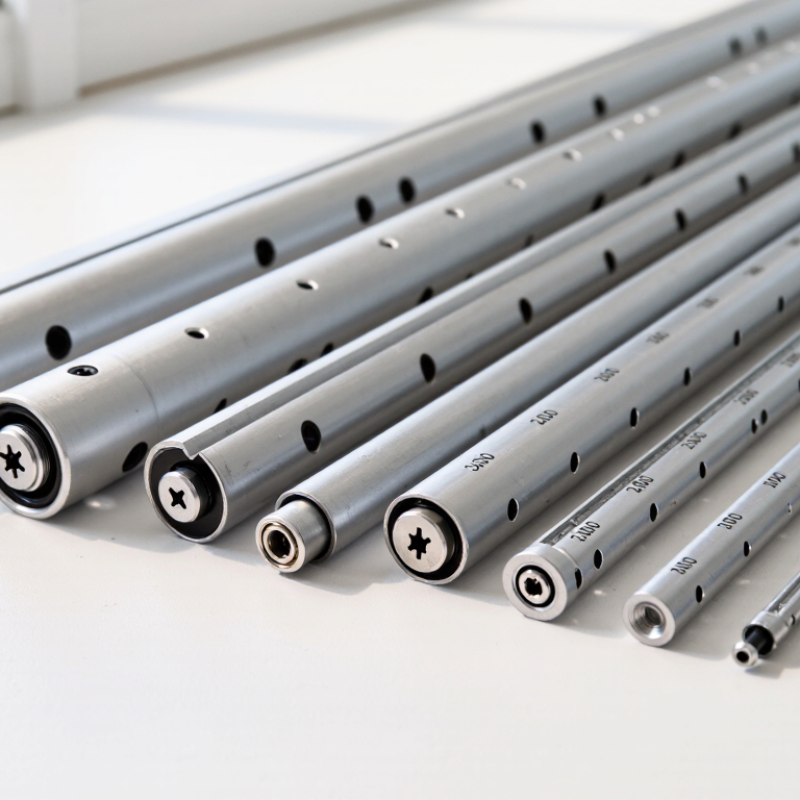
What Are Window Espag Rods and Why Do Their Sizes Matter?
Window espag rods are multipoint locking bars fitted inside many modern casement windows. Turning the handle moves the rod and its cams, securing the sash at several points. Their size matters because the rod must match the window’s height, gearbox, and locking positions.
Common nominal lengths include 400, 500, 600, 700, 800, 900, 1000, 1200, 1400, and 1600 millimetres. These are useful reference sizes, not universal rules. Some suppliers measure the complete rod, while others measure from the gearbox centre to one end. That difference can cause an expensive mistake. It is worth checking the rod length, cam spacing, gearbox position, and backset before ordering. The backset is often 15 or 20 millimetres, but other measurements exist.
Measure carefully.
In practical repair work, I remove the handle and photograph the existing mechanism before buying a replacement. I then measure the rod with the gearbox attached, using millimetres and a rigid tape. A quick sash-height measurement feels convincing, yet it can still be wrong. I once treated a near match as acceptable; the final cam sat several millimetres away from the keep. The window closed, but the compression was poor. That experience changed my method. Matching the profile and cam arrangement is just as important as matching length. If the old rod is bent, worn, or difficult to identify, a qualified window hardware professional can compare the mechanism safely.
How Espag Rod Lengths and Mechanism Measurements Are Classified
Window espag rods are commonly classified by nominal length. Ten frequently encountered sizes are 200, 300, 400, 500, 600, 700, 800, 900, 1000, and 1100 millimetres. These figures describe the rod assembly, not always the full locking reach. Some suppliers measure between end points, while others include the central gearbox. That difference can create costly confusion.
Mechanism measurements need equal attention. Check the spindle length, gearbox position, rod width, and distance between locking points. Spindle sizes often vary, even when the rod length looks correct. The handle height also matters because it must align with the gearbox opening. A 600 mm rod may fit one window but fail on another with a different central position.
Measure twice. Record every dimension.
In practical replacements, remove the existing mechanism and photograph each end connection. Compare the old rod with the new specification, not only its label. Window profiles can shift slightly with age, pressure, or previous repairs. I have seen a near-identical replacement leave one locking point short by several millimetres. The classification is useful, but it is not a substitute for measuring the actual window. Always confirm whether the stated length means overall length, cut length, or effective locking length.
Top 10 Standard Sizes for Window Espag Rods? - How Espag Rod Lengths and Mechanism Measurements Are Classified
| No. |
Nominal Espag Rod Length |
Approx. Length in Feet |
Typical Application |
Common Faceplate Width |
Common Spindle Size |
Typical Backset Options |
Measurement Classification |
| 1 |
400 mm |
1 ft 4 in |
Small casement windows and narrow opening sashes |
Usually 16 mm |
Commonly 7 mm; 8 mm systems also exist |
15–30 mm |
Short rod length |
| 2 |
600 mm |
1 ft 12 in |
Compact top-hung or side-hung windows |
Usually 16 mm |
7 mm or 8 mm, depending on the gearbox |
15–35 mm |
Short-to-medium rod length |
| 3 |
800 mm |
2 ft 7 in |
Small-to-medium residential casement windows |
Usually 16 mm |
7 mm or 8 mm |
15–40 mm |
Medium rod length |
| 4 |
1000 mm |
3 ft 3 in |
Medium casement windows in standard room elevations |
Usually 16 mm |
7 mm or 8 mm |
20–40 mm |
Medium rod length |
| 5 |
1200 mm |
3 ft 11 in |
Medium-to-large opening sashes |
Usually 16 mm |
7 mm or 8 mm |
20–45 mm |
Medium-to-long rod length |
| 6 |
1400 mm |
4 ft 7 in |
Tall residential casement windows |
Usually 16 mm |
7 mm or 8 mm |
20–45 mm |
Long rod length |
| 7 |
1600 mm |
5 ft 3 in |
Large residential window sashes |
Usually 16 mm |
7 mm or 8 mm |
25–50 mm |
Long rod length |
| 8 |
1800 mm |
5 ft 11 in |
Tall or wide casement windows requiring extended locking coverage |
Usually 16 mm |
7 mm or 8 mm |
25–50 mm |
Extra-long rod length |
| 9 |
2000 mm |
6 ft 7 in |
Very tall or wide window assemblies |
Usually 16 mm |
7 mm or 8 mm |
30–55 mm |
Extra-long rod length |
| 10 |
2400 mm |
7 ft 10 in |
Oversized sashes or applications using extended rod sections |
Usually 16 mm |
7 mm or 8 mm |
30–55 mm |
Maximum common stock length range |
Measurement note:
Espag rod lengths are nominal stock dimensions and may not equal the overall window height. Before replacement, measure the existing rod, the faceplate width, the spindle size, the gearbox backset, the handle height, and the centre distance between the handle spindle and the locking points. Actual available sizes and backset combinations vary by window profile and locking mechanism.
The 10 Most Common Standard Sizes for Window Espag Rods
Top 10 Standard Sizes for Window Espag Rods?
The 10 Most Common Standard Sizes for Window Espag Rods
Window espag rods commonly come in ten practical lengths: 300, 400, 500, 600, 700, 800, 900, 1000, 1200, and 1500 millimetres. These sizes suit many residential casement windows. The 300 mm rod often fits narrow bathroom windows. A 600 mm option is common for medium openings. Larger windows may need 1200 or 1500 mm rods. Size alone does not confirm compatibility.
Measure carefully.
Experienced installers measure from the lock centre toward both ends of the window sash. They check the rod length, mushroom cam positions, gearbox type, and fixing-hole spacing. A 1000 mm rod may look suitable, yet its cams can miss the keeps by several millimetres. That small error can prevent secure closing. The visible sash width is not always the correct measurement. Remove the old rod when possible, then compare its holes and cam layout with the replacement.
These sizes are useful industry references, not universal rules. Some older or unusually shaped windows require a shorter rod, an extended rod, or a made-to-measure solution. I have found that rushed measurements cause more problems than unusual dimensions. Check the rod while the window is open, and photograph the lock mechanism before ordering. A simple sketch can also expose a mistaken centre measurement. Check twice. There is no single standard that fits every window.
Top 10 Standard Sizes for Window Espag Rods
These are ten commonly available nominal espag rod lengths, measured in millimetres.
Actual compatibility depends on the window profile, lock type, gearbox position, and the required cut length.
How to Measure an Existing Window for the Correct Espag Rod
Measuring an existing window espag rod is safer than guessing from a “standard” size chart. Common rod lengths include 400, 600, 800, 1000, 1200, 1400, 1600, 1800, 2000, and 2400 millimetres. However, these sizes are not universal. Window profiles and locking layouts can differ.
Remove the handle and open the sash carefully. Measure the old rod from its outer end to the opposite outer end, not just the central gearbox. Record the distance between the gearbox and each locking point. Also note the number of cams, their shape, and their height from the edge of the sash. A replacement rod may have the right length but still fail if its cams sit incorrectly.
Check the handle spindle size and the gearbox position before ordering. Photograph the mechanism beside a ruler. This creates a useful reference when measurements seem unclear.
I once measured only the visible section and selected a rod that was too short. The error was small, but the final locking point could not engage. Measure twice.
If the old rod is damaged, lay it flat on a workbench and compare every locking point with the replacement. Do not force a close match. A qualified window professional can confirm unusual sizes, offset gearboxes, or worn locking keeps. Exact measurements improve security, operation, and weather resistance.
How to Choose and Verify the Right Espag Rod Replacement
Top 10 Standard Sizes for Window Espag Rods?
Common espag rod lengths include 400, 600, 800, 900, 1000, 1200, 1400, 1600, 1800, and 2000 millimetres. These sizes are useful starting points, not guaranteed matches. I have seen replacement rods fail because someone measured the window opening instead of the old mechanism. Measure the existing rod from end to end, excluding removable extensions. Check the original label, if available.
Look closely at the gearbox and locking points. A common spindle size is 7.5 millimetres, but this is not universal. Measure the spindle width, backset, rail height, and distance between locking cams. A 15, 20, or 22 millimetre backset can change compatibility. Count every locking point. Photograph the mechanism before removal.
Measure twice.
The replacement must match the rod profile and handle position. Some rods use adjustable mushroom cams, while others use fixed rollers. Their appearance can seem similar. Their engagement may differ. A digital caliper gives better results than a worn ruler, especially around the spindle and backset. Check whether the new rod can be trimmed without damaging its drive connection. I once trusted a stated length and ignored the cam spacing; the rod fitted the window but locked poorly. That mistake still deserves attention. When measurements conflict, compare the old and new parts side by side before installation. A qualified window technician can verify unusual profiles or heavily worn mechanisms.
Conclusion
Window espag rods are multi-point locking components used in many modern windows, and choosing the correct size is essential for smooth operation, reliable security, and proper alignment. The question “What is the standard size for window espag rods” does not have one universal answer, because rods vary by overall length, gearbox position, backset, spindle dimensions, and the number of locking points. However, several common lengths are widely used, ranging from compact sizes for smaller windows to longer options for larger frames.
To select a suitable replacement, measure the existing rod from end to end, record the distance from the rod edge to the spindle center, and check the gearbox type, spindle shape, handle position, and locking-point arrangement. Compare these measurements with the replacement specification rather than relying only on appearance. Before installation, confirm that the rod length, mechanism dimensions, and locking points match the window frame, then test the handle and locking action carefully to ensure the window closes, seals, and operates smoothly.

 Jefort Hardware